Horn Rapids and Badger Mountain South are two of the fastest-growing residential communities in all of Eastern Washington right now. Richland has been adding new homes at a pace that consistently outperforms most of the state in percentage terms, and these two communities represent the largest concentration of that growth. New phases continue to open. Builders like Pahlisch Homes, New Tradition Homes, and Pacific Ridge Homes are building at scale across both areas. For homeowners building new in these communities, and for the investors and builders managing that construction, the painting decisions made during construction determine what the finished home looks and lives like for the next decade.
New construction painting is not the same discipline as a residential repaint. The sequencing is different. The products are different. The coordination requirements are different. And the most common mistakes that create rework and delays are entirely specific to the new build environment. This guide is written for builders, general contractors, and homeowners building new in Horn Rapids, Badger Mountain South, and the surrounding Richland growth communities.
Why New Construction Painting Is Different From a Repaint
When you repaint a house, the substrate is established. The drywall has been painted before, the surfaces are known, and the scope is defined by what is visibly in need of work. New construction painting starts with fresh drywall that has never been sealed. The surfaces are raw, porous, and variable in their absorption characteristics depending on the mud and tape work beneath the paper facing. Getting a good paint result on new drywall requires understanding these characteristics and working with them rather than against them.
New drywall absorbs primer and paint at rates that are significantly higher than previously painted surfaces. The paper facing on drywall is uniform in its absorption, but the joint compound used to tape seams and fill fastener dimples is a different material with different porosity. When a single coat of paint goes directly onto a wall where these two materials meet, the result is a stippled, blotchy appearance called flashing: areas that reflect light differently based on their absorption rate. It is one of the most common and most preventable quality problems in new construction painting.
The solution is a proper high-build drywall primer applied after the drywall is finish-sanded and before any finish coats. The primer seals the porous surfaces uniformly, allows tape lines and fastener dimples to be identified and corrected before the finish coat goes on, and provides a consistent base for the finish product. Skipping primer on new drywall to save time or money is a decision that creates rework. It is categorically not worth it.
The Build Sequence: Where Painting Fits
New construction painting has a defined position in the construction sequence, and deviating from that sequence creates problems both for painting quality and for the other trades that follow. Understanding the sequence is the foundation of any successful new build painting project.
The painting contractor enters the job after drywall is hung, taped, mudded through all its finish coats, and sanded. The inspection of the drywall finish quality happens before primer goes on, because surface imperfections visible at this stage will be amplified rather than hidden by paint. Any drywall repairs needed should be identified and completed before the painter starts.
Primer is applied to all walls and ceilings. At this stage, the job site is typically still active with other trades doing rough-in completion, so dust is an ongoing issue. The primer coat does not need to be a pristine dust-free application because it will be sanded lightly before finish coats go on. What it needs to be is complete and uniform.
The painter exits the job before flooring installation begins. Flooring that goes in after painting has the painter’s final coat as the surface it is installing against, which is clean. Flooring that goes in before painting gets paint drops on it during the painting work, which requires protection and cleanup. The standard professional approach is always paint before floor.
Exterior Painting on New Construction in Richland
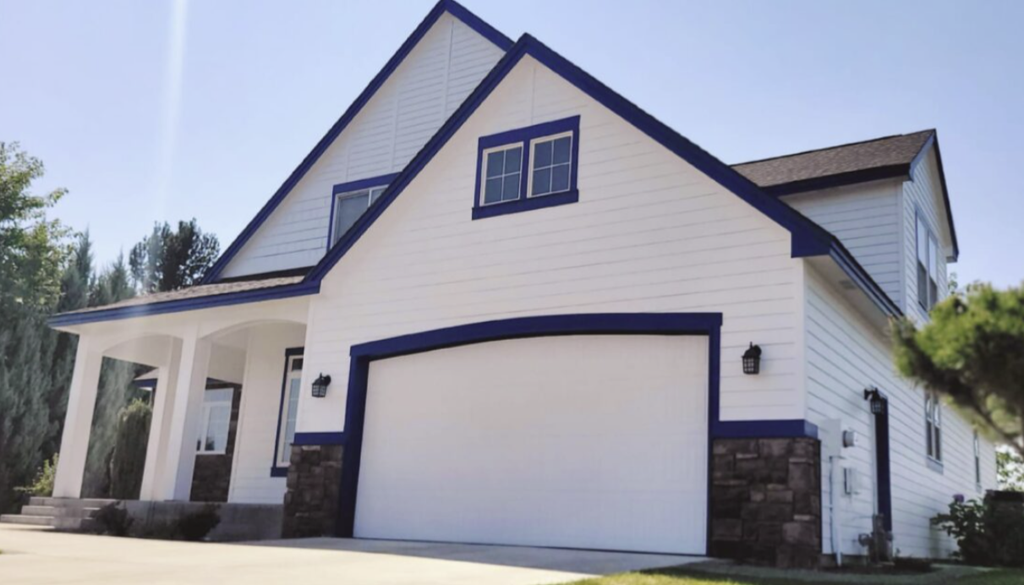
New construction exterior painting in the Tri-Cities requires product selection calibrated for the climate. The same UV intensity and temperature cycling that accelerates failure on repaint projects applies equally to new construction. Building with a premium exterior product rather than a builder-grade specification sets the home up for a first repaint in twelve to fifteen years rather than seven to ten.
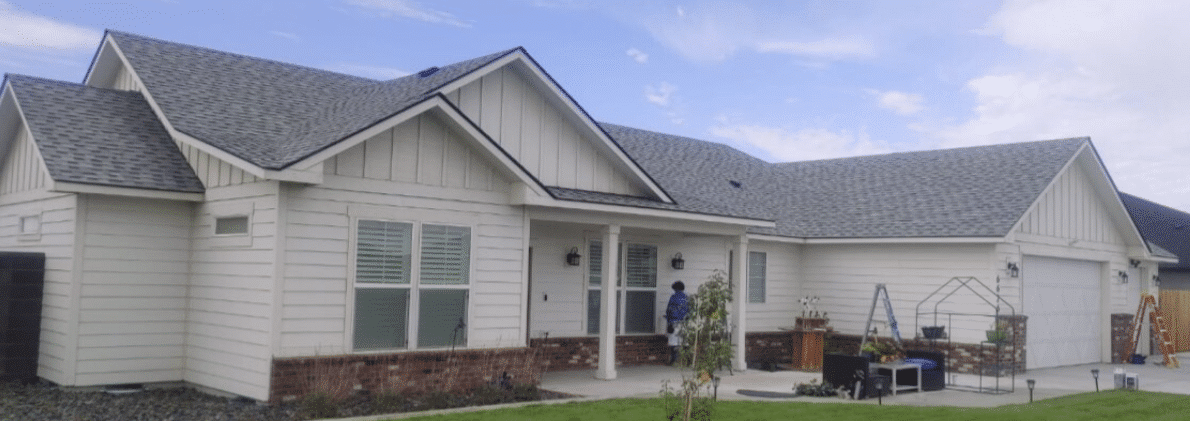
In Horn Rapids and Badger Mountain South, the predominant exterior materials are fiber cement siding (HardiePlank and similar products), stucco on contemporary designs, and some vinyl siding on specific builder product lines. Each requires different preparation and product selection.
Fiber cement siding requires careful attention to cut edge sealing. The factory primed edges protect the face, but any field cuts made during installation expose raw fiber cement that must be sealed with a compatible primer before finish paint. Missed cut edge sealing is one of the most common callbacks on new construction fiber cement painting in this climate.
Stucco on new construction must be allowed to cure fully before painting. Fresh stucco is highly alkaline and will react with non-alkali-resistant coatings, causing a chemical soap called saponification that destroys the paint bond. Most manufacturers recommend waiting at least 28 days after stucco application before painting, and specifying alkali-resistant primers and topcoats for the application.
Choosing Colors for a New Richland Home
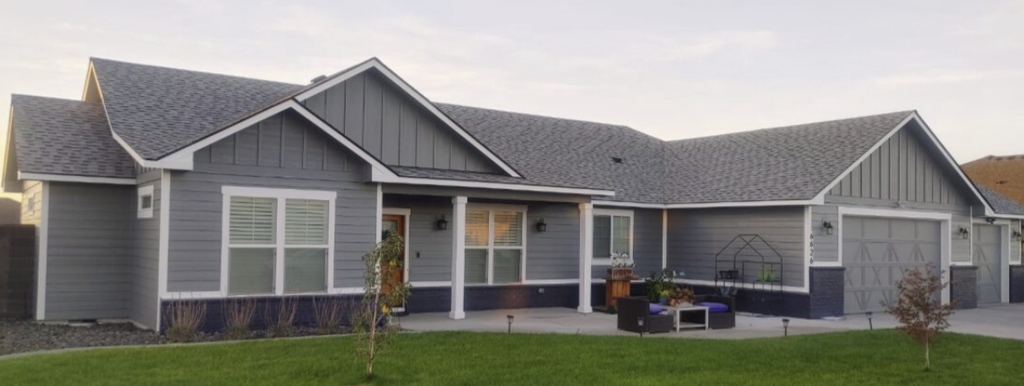
New construction in Horn Rapids and Badger Mountain South takes place within planned communities that often have architectural review boards or design guidelines. Before finalizing exterior color selections, verify what constraints the community imposes. Some communities restrict color palettes to maintain neighborhood aesthetic consistency. These restrictions apply to the initial paint application as well as any future changes.
Interior color selection for a new build is one of the most enjoyable and most decision-intensive parts of the construction process. With blank walls, the options feel limitless. In practice, a few guiding principles simplify the process. Choose a neutral base palette that flows logically from room to room rather than using a different color for every space. Add personality through accent colors in specific spaces where the impact is intentional. Test every color in the actual room before committing, because the light quality in a new construction space may be completely different from what you experienced in the paint store or in a photo.
What to Ask Your Builder About the Painting Specification
Most production builders include a painting allowance in the base price of the home. This allowance covers a standard painting specification: a single prime coat, one or two finish coats of a builder-grade interior paint, and a standard exterior finish. The specific products in this specification are often not disclosed prominently.
Questions worth asking your builder before signing: What brand and product line does the base specification use for interior walls? How many coats of finish paint are included? Is drywall primer a separate step or is the specification starting with finish coats? What is the exterior product specification and its warranty? What is the process for upgrading the specification and what does it cost?
Many builders offer upgrade packages that specify a premium interior product line and a superior exterior product. The upgrade cost is typically modest relative to the total home price but the performance improvement over a ten to fifteen year window is significant. An upgrade from builder-grade interior paint to Sherwin-Williams Emerald or Duration adds perhaps $1,500 to $3,000 to the painting cost on an average home. The durability and washability improvement it provides over the life of the paint is real and meaningful.
Working With an Independent Painting Contractor on a New Build
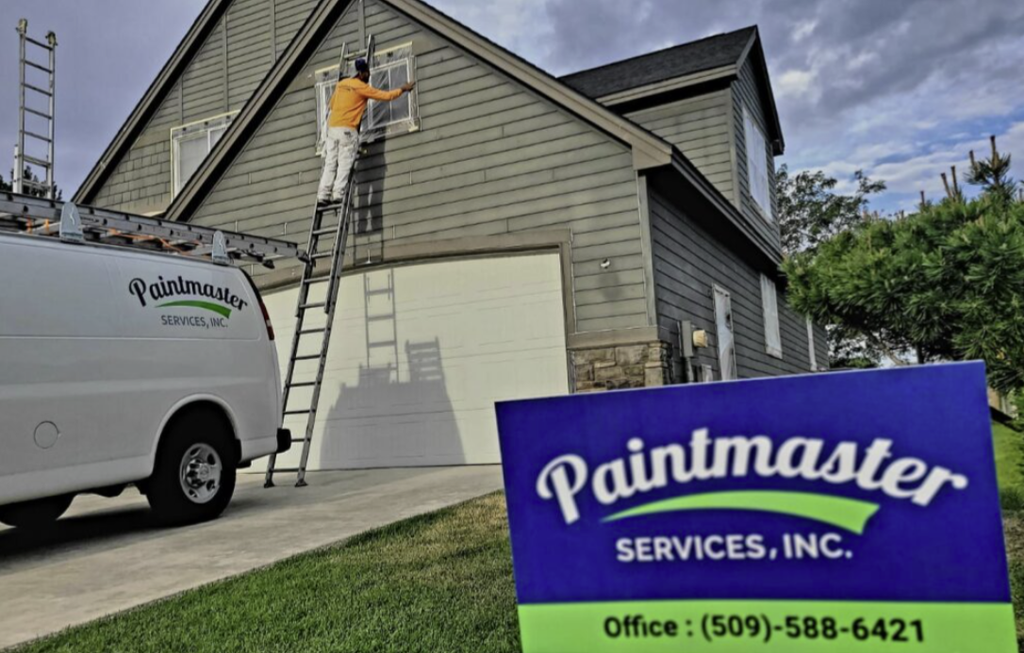
Homeowners building custom or semi-custom homes in Horn Rapids or Badger Mountain South may have the option to use an independent painting contractor rather than the builder’s standard subcontractor. When this option exists, the homeowner gains control over product selection, specification quality, and the relationship with the painter for future maintenance work.
The independent painting contractor must be coordinated with the GC and must understand the construction schedule. They need to be available to mobilize at the right moment in the sequence, complete their scope efficiently within the window available, and work professionally alongside other trades. An experienced new construction painting contractor in the Tri-Cities will have this experience. Someone who primarily does residential repaints may not.
Getting a quote at the framing stage allows the painting contractor to plan their labor and material needs before the sequence reaches the painting window. It also establishes the relationship early enough to address any product or specification questions before they become scheduling problems.
Frequently Asked Questions
1. Do new homes need a primer before painting?
Yes, always. New drywall is porous and variable in its absorption characteristics. Without a proper drywall primer, finish coats will flash and look blotchy where tape lines and joint compound meet the paper facing. Primer seals these surfaces uniformly and identifies any drywall defects that need correction before finish coats are applied. Skipping primer on new construction is one of the most reliable ways to create a paint result that requires immediate rework.
2.How long does new construction painting take for a Richland home?
A standard new construction interior for a 2,000 to 2,800 square foot home typically takes five to eight working days including primer, finish coats, and trim painting. Larger homes or homes with significant millwork detail, vaulted ceiling areas, or multiple accent colors take longer. The schedule is coordinated with the GC and aligned to the construction sequence.
3.Can homeowners choose any paint color for their new home in Horn Rapids?
For interiors, homeowners have essentially full freedom in color selection, though builders typically limit the number of colors included in the base specification and charge for additional colors or accent walls. For exteriors in Horn Rapids and Badger Mountain South, the community’s design review guidelines may restrict the available palette to ensure neighborhood aesthetic consistency. Check the HOA documents and design guidelines before finalizing exterior colors.
4. What exterior paint products work best on new construction in Eastern Washington?
For fiber cement siding, which is the most common exterior material in new construction in this area, premium 100 percent acrylic exterior products are required. Sherwin-Williams Duration Exterior and Emerald Exterior are both appropriate choices with strong UV stability for Eastern Washington conditions. The critical additional step on fiber cement is sealing any field cut edges with a compatible primer before topcoat application.
Upgrading Beyond the Builder Specification
The builder’s standard paint specification is designed to be adequate, not excellent. It covers the home with paint that is visually acceptable at handover and that satisfies the building code and any lender appraisal requirements. It is almost never the optimal product for long-term performance in Eastern Washington’s climate.
Homeowners who spend $400,000 or more on a new build in Horn Rapids or Badger Mountain South and then accept a builder-grade exterior paint specification are making a choice that will cost them real money within the first decade of ownership. The first exterior repaint on a new build with an inadequate original specification will come due in seven to ten years rather than twelve to fifteen. The cost difference between repainting at year seven versus year fourteen on a Richland home is significant.
Most builders offer the ability to upgrade the paint specification for a defined additional cost. These upgrade packages typically move from a one-coat finish system to a two-coat system, or from a mid-tier product like Sherwin-Williams SuperPaint to a premium product like Duration or Emerald. The cost of the upgrade is almost always a small fraction of the total home price and of the long-term maintenance savings it creates. Ask your builder specifically what the upgrade options are and what products are included in each tier before you sign the building agreement.
What Paintmaster Brings to New Construction in the Richland Growth Corridor
We have been working in the Richland residential market since 1975. We have watched the growth corridors move from their original post-war footprint through every development cycle that followed. Horn Rapids and Badger Mountain South are the most active chapters of that growth story right now. We work directly with general contractors and individual homeowners building new in these communities, providing new construction interior finishing, exterior painting, and any specialty floor or cabinet work that is part of the scope. Our crews understand the sequencing requirements of active construction sites and coordinate directly with the GC to mobilize at the right point in the build without creating delays for the trades that follow.