
Tenant improvement painting sits at the intersection of construction scheduling, commercial lease obligations, budget management, and the simple reality that a new tenant cannot move into a space that looks like the previous tenant left in a hurry. It sounds straightforward. It is frequently not. The constraints that define a TI painting project are different from those of a standard commercial paint job in almost every meaningful way, and property managers who treat them the same way end up with delays, budget overruns, and tenants who show up to a space that is not ready.
This guide walks through the full TI painting landscape: what makes TI painting different from regular commercial painting, how to integrate painting into a build-out schedule, what to expect from a professional TI painting contractor, and how to evaluate proposals so you are not comparing a thorough scope against a bare-minimum quote and picking based on price alone.
What Makes Tenant Improvement Painting Different
A standard commercial building refresh has defined surfaces, known conditions, and a relatively predictable scope. The landlord decides to repaint, a contractor comes in, the building gets painted, everyone moves on. TI painting is a different animal. The space is in active construction. Other trades are sequencing around you. The tenant has specific finish requirements in their lease, their build-out plans, or both. There is a hard move-in date that cannot slip.
The construction sequencing issue is the most operationally complex. Painting cannot happen before drywall is finished and sanded. Paint cannot happen before HVAC and electrical rough-in is complete, because trades that cut into painted walls after the fact create rework. But painting has to happen before flooring goes down, before millwork is installed, and before any finish elements go in that would be damaged by overspray or paint contact. The painting contractor has to arrive at exactly the right moment in the construction sequence and complete their scope in a window that does not delay the trades that follow.
The tenant’s finish specifications add another layer. Some tenants have brand standards for their space: specific Pantone or Sherwin-Williams colors, specific sheen requirements, specific products that must be used or prohibited. A restaurant might require low-VOC products because of proximity to food preparation. A medical or dental office might have infection control requirements that affect product selection. Confirming these specifications before the project starts, not after, is the difference between a clean handover and a redo.
The Typical TI Painting Scope
TI painting encompasses more than walls. A complete TI painting scope typically includes: all interior walls from new drywall primed and finish-painted in the tenant’s specified color or colors; ceilings, which may be a flat white throughout or may have accent colors in specific zones; all new interior doors and door frames; any accent walls, feature walls, or decorative finishes specified in the tenant’s build-out; existing surfaces in the space that the TI project is reusing, including any walls that were not demolished, which need to be patched, primed and repainted to match the new work; and any exterior-facing surfaces that are part of the tenant’s portion of the building.
Ceiling painting in a TI build-out deserves specific attention. Open-ceiling designs that expose ductwork, structure, and mechanical elements require painting the ceiling deck above those exposed elements. This is typically done in flat black to visually recede the ceiling and make the space feel industrial in the intended way. The surface area and access complexity of an open-ceiling spray paint can add significantly to the project scope and timeline compared to a standard white ceiling application.
Primer selection on new drywall is a non-negotiable that budget painters sometimes try to skip. New drywall is highly porous and absorbs paint unevenly, producing a blotchy, stippled appearance on the finish coat that is visually unacceptable. A proper drywall primer seals the paper facing and the compound-filled seams uniformly so that the finish coat goes on consistently. Skipping primer on new drywall is guaranteed to produce a result that requires a callback and additional coats.
Coordinating with the General Contractor: Getting the Timing Right
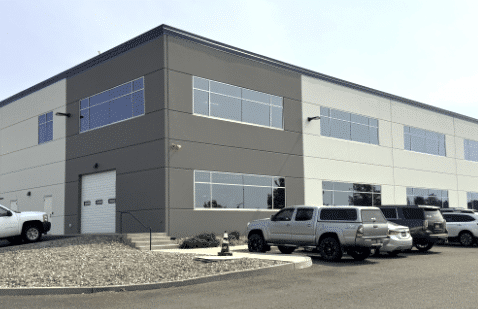
The general contractor on a TI build-out is the traffic controller for the construction sequence. The painting contractor needs to have a direct working relationship with the GC in order to get into the space at the right time, complete their work without interfering with other trades, and exit in a clean, professional condition.
The standard sequencing for a TI build-out looks like this. After drywall is taped, mudded and finish-sanded, the painting contractor performs a prime coat on all new drywall surfaces. Other trades continue their rough-in work during and after this primer coat dries. When all trades that penetrate walls and ceilings are complete, painting returns for finish coats. The painting contractor then exits before flooring installation and millwork installation begin.
In practice this sequencing gets compressed. The GC has a hard move-in date. Every trade is running behind. The painting contractor gets called in with less lead time than the schedule originally allowed. A TI painting contractor who can mobilize quickly, staff a project appropriately to compress the timeline without sacrificing quality, and communicate in real time with the GC about access windows is genuinely valuable in this environment. This is a meaningful differentiator to ask about when evaluating contractors for TI work.
TI Painting Costs: What Landlords and Property Managers Should Expect
TI painting is priced by scope, not by square footage of the floor plan. The paintable surface area of the walls and ceilings in a commercial build-out can be two to four times the floor plan square footage depending on ceiling heights, wall configuration, and the number of interior rooms.
A standard small office TI of 800 to 1,500 square feet of floor plan: $4,000 to $9,000 depending on surface complexity, number of accent colors, and ceiling treatment. A medium office or retail TI of 2,000 to 5,000 square feet: $8,000 to $22,000 depending on the same variables. Restaurant and food service TI projects tend to run higher due to the complexity of different zones, the product specifications required for food-adjacent spaces, and the ceiling treatments involved. Medical and dental office TI projects also run higher due to the specific product requirements and finish standards.
These numbers apply to the Tri-Cities market as of 2025. Labor markets in Kennewick, Richland and Pasco are not as expensive as Seattle or Portland, which means TI painting in this region is meaningfully less costly than comparable work in the major Pacific Northwest urban markets.
TI Allowances: How Painting Fits Into Lease Negotiations
Many commercial leases in the Tri-Cities include a tenant improvement allowance: a dollar-per-square-foot contribution from the landlord toward the tenant’s build-out costs. Painting is almost always included in the scope that the TI allowance is meant to cover. The question of who selects and manages the painting contractor varies by lease structure.
In a landlord-managed TI, the landlord selects the contractor, manages the build-out, and delivers the space to the tenant in a turn-key condition. The landlord controls contractor selection and is responsible for the quality of the finished work. In a tenant-managed TI with a cash allowance, the tenant controls the build-out and pays the contractors directly, with the landlord reimbursing up to the allowance amount. In this structure, the tenant selects the painting contractor.
Regardless of which structure the lease uses, the landlord and property manager should have visibility into the painting contractor’s credentials: license, insurance, and references from comparable commercial TI projects in the area. A tenant who brings in an unlicensed contractor to do TI painting creates a liability exposure for the property that landlords should be aware of and address in the lease documentation.
Getting the Space Right for the Tenant’s First Day
The goal of every TI painting project is the same regardless of scope: the tenant walks into a space that looks finished, professional, and exactly as specified on the first day of their lease. Not almost finished. Not mostly done with a few touch-ups needed. Done.
This requires a pre-occupancy walk-through between the painting contractor and either the GC or the property manager. Every surface is checked. Touch-up paint in the specified colors is left at the property for future minor maintenance. Any items that do not meet the agreed finish standard are addressed before the walk-through is signed off. The handover is clean.
Tenants who move into a space with visible painting deficiencies start their tenancy with a negative impression of the property and the landlord’s management quality. That impression is hard to reset and tends to show up later in lease renewal negotiations. Getting the TI painting right is not just a construction quality issue. It is a tenant relationship quality issue.
Frequently Asked Questions
1. Who is responsible for tenant improvement painting, the landlord or the tenant?
This depends entirely on the lease structure. In a landlord-managed build-out, the landlord is responsible and selects the contractor. In a tenant-managed build-out with an allowance, the tenant is responsible and selects the contractor. Some leases specify standards for the painting work regardless of who manages it. Review the lease language specifically before assuming responsibility in either direction.
2. How long does TI painting take for a standard office space?
A standard office TI of 1,500 to 2,500 square feet takes three to five working days for primer and two finish coats, assuming the space is ready for painting when the contractor arrives. Spaces with multiple accent colors, open ceiling treatments, or high-detail millwork painting take longer. The GC’s overall schedule and the window available for painting within the construction sequence determines whether the standard timeline is achievable.
3.Can the painting be done while other trades are still working in the space?
Some overlap is inevitable in compressed TI timelines. Priming can often happen while other rough-in trades are still completing work. Finish coats require the space to be clear of active dust-generating work and traffic for the duration of application and initial dry time. Overspray and foot traffic through fresh finish paint both create defects that require rework. The GC should coordinate access windows for finish coat application.
4. What should be included in a TI painting proposal?
A complete TI painting proposal should specify: all surfaces included in the scope by location and description, the products being used including brand and product line, the number of coats per surface, the color or colors for each surface with the specific paint formula, the project timeline including when the contractor plans to be on-site, the total cost broken into labor and materials, and any exclusions. A proposal that does not specify products and coats is not comparable to one that does.
Common Mistakes Landlords Make on Tenant Improvement Painting Projects
Waiting too long to get a painting contractor scheduled is the most frequent operational mistake on TI projects. The painting window in a new construction or renovation sequence is narrow and is often the scheduling item that gets left until the GC realizes the handover date is two weeks away. A painting contractor who is already committed to other projects cannot simply drop them to accommodate a late scheduling request. Starting the contractor selection and scheduling process earlier in the construction timeline, ideally when the drywall is going up, is the approach that produces a painting contractor who is ready to mobilize exactly when the sequence calls for it.
Accepting a scope that does not specify products or coat counts is the second most common mistake. When a painting proposal says walls to be painted without specifying how many coats, what product, or what sheen, the contractor is free to deliver a single coat of whatever is in their truck. This may technically satisfy the letter of an underspecified contract while producing a result that does not meet the landlord’s or tenant’s quality expectations. Written product and coat specifications in the contract protect both parties.
Not sequencing the final walkthrough before the tenant takes occupancy is a mistake that creates costly post-move-in service calls. A painting walkthrough conducted before the tenant’s furniture arrives, under good lighting conditions with the painter present, identifies every defect while the contractor is still on the project and can address issues without a separate mobilization. A walkthrough conducted after move-in, in a furnished space with the tenant present, is a more emotionally charged and logistically complex version of the same quality assurance step.